



Editorial Integrity
Making informed real estate decisions starts with having the right knowledge. At HomeAbroad, we offer US mortgage products for foreign nationals & investors and have a network of 500+ expert HomeAbroad real estate agents to provide the expertise you need. Our content is written by licensed mortgage experts and seasoned real estate agents who share insights from their experience, helping thousands like you. Our strict editorial process ensures you receive reliable and accurate information.
Quick Answer: Cap Rate vs Cash Flow vs DSCR

- Cap rate: Tells you if the property is priced right based on its income. Best for comparing deals across markets.

- Cash flow: Tells you how much money you actually keep each month after all expenses and loan payments.

- DSCR: Tells you if a lender will approve your loan, based on whether the property’s income covers its mortgage (PITIA).

For foreign investors, DSCR comes first because it determines loan approval. Then cash flow confirms performance, and cap rate helps compare deals.
Foreign investors often evaluate US rental deals using familiar metrics like gross yield or simple rental returns, but those numbers don’t translate cleanly to how US financing and underwriting actually work. That’s where most confusion starts, especially when you’re trying to assess deals from outside the country without seeing how lenders evaluate them.
At HomeAbroad, based on the 500+ DSCR loans we’ve closed for foreign national investors, one consistent gap is not understanding cap rate, cash flow, or DSCR individually, it’s knowing which one actually matters first when evaluating a deal.
Each metric answers a different question. Cap rate helps you compare properties across markets. Cash flow tells you what actually hits your account after all expenses. DSCR determines whether a lender will approve your loan, often without requiring US credit, employment, or tax history.
This guide breaks down how these metrics work, how they apply specifically to foreign investors, and the exact sequence to use them so you’re not just analyzing deals, but closing ones that hold up in real conditions.
Table of Contents
Cap Rate vs Cash Flow vs DSCR: Side-by-Side Comparison
Cap rate, cash flow, and DSCR are often used interchangeably, but they measure completely different things. Looking at them together makes it clear why each one matters and where it fits in your decision process.
Cap Rate (Capitalization Rate)
Formula: Net Operating Income (NOI) ÷ Property Value
Cap rate measures the property’s return before financing. It helps you understand whether the asset itself is priced well relative to the income it generates.
What it includes:
-
 Rental income (after vacancy)
 - Operating expenses (taxes, insurance, maintenance, management)
What it excludes:
- Loan payments (principal + interest)
Cap rate is most useful when comparing markets or properties at a high level. It works best for stabilized rentals. For value-add deals or properties with deferred maintenance, cap rate can give a misleading picture.
You can quickly estimate this using HomeAbroad’s Cap Rate Calculator to compare deals across different markets.
Cash Flow
Formula: Total Income − All Expenses − Debt Service
Cash flow is the actual money left after everything is paid, including your mortgage. This is what determines whether the investment supports itself and generates income.
What it includes:
- All operating expenses
- Debt service (PITIA)
- Vacancy, maintenance, capex, management
Cash flow is typically evaluated on a monthly basis, but should always be stress-tested annually. Unlike cap rate, this reflects your real financial outcome, not just property performance.
To understand real monthly returns, use HomeAbroad’s Rental Property Cash Flow Calculator with conservative expense assumptions.
DSCR (Debt Service Coverage Ratio)
Formula: Gross Rental Income ÷ PITIA
DSCR measures whether the property’s income can cover its loan payments. This is the primary metric lenders use for DSCR loans.
What it includes:
- Rental income
- Full housing cost (Principal, Interest, Taxes, Insurance, HOA if applicable)
What it excludes:
- Personal income, employment, or credit (in DSCR programs)
The distinction here is simple but critical: HomeAbroad’s DSCR qualifies the property, not the borrower. That’s why it’s the foundation of financing for most foreign investors.
To check if a deal qualifies for financing, use HomeAbroad’s DSCR Calculator based on rent and PITIA.

Jason Saylor,
Sr. Customer Loan Specialist, HomeAbroad | NMLS# 2594493
Side-by-Side Comparison
Metric | What It Measures | Accounts for Mortgage? | Best Used For | Typical Target |
|---|---|---|---|---|
Cap Rate | Property-level return | No — ignores loan, assumes cash purchase | Comparing deals and markets | ~5%–8%+ depending on market |
Cash Flow | Actual profit after all costs | Yes — subtracts full mortgage payment | Evaluating real income and sustainability | ~$200–$400+/month per property |
DSCR | Loan coverage ability | Yes — compares rent to mortgage cost | Qualifying for financing | ≥ 1.0 (1.20+ for better loan terms) |
Each metric answers a different question. The mistake is treating them as interchangeable. The right approach is to use them together, but in the right order depending on your situation.
How Each Metric Works Differently for Foreign Investors
Cap rate, cash flow, and DSCR don’t change in definition, but how they impact your deal as a foreign investor is very different. Financing structure, tax treatment, and ownership setup all shift how these metrics behave in practice.
Why DSCR Is the Gateway Metric for Foreign Investors
For most foreign investors, DSCR is not just another metric, it’s the entry point to investing in US real estate.
Traditional loans rely on:
- US credit history
- US income and employment
- Tax returns
DSCR loans remove that dependency. Approval is based on whether the property’s rental income can cover its mortgage (PITIA).
That’s why DSCR comes first. If the deal doesn’t meet the required ratio, it doesn’t move forward, no matter how strong the cap rate or projected cash flow looks on paper.
In practice, investors coming from markets where personal income drives loan approval are often surprised by this shift. In the US, especially for foreign nationals, the property qualifies the loan, not the borrower.
Jason Saylor,
Sr. Customer Loan Specialist, HomeAbroad | NMLS# 2594493
Why Cash Flow Feels Different in Practice
Cash flow is still the most important metric for performance, but for foreign investors, it needs to be viewed more conservatively.
Common adjustments include:
- Property management (often required when investing remotely)
- 6 months cash reserve requirements
- Currency and transfer considerations
This means a deal that looks strong on paper can feel tighter in reality. That’s why conservative assumptions matter more here than for local investors.
Why Cap Rate Is Useful, But Not Enough
Cap rate is helpful for comparing markets and filtering deals, but it doesn’t reflect financing or actual income.
For foreign investors, this limitation is even more important:
- Cap rate ignores loan qualification (DSCR)
- It doesn’t show actual monthly profit
- It assumes a cash purchase, which most investors are not doing
A property can have an attractive cap rate and still not qualify for financing or produce meaningful cash flow.
For foreign investors, these metrics are not equal.
- DSCR determines if the deal is even possible
- Cash flow determines if the deal is worth holding
- Cap rate helps compare options, not make the final decision
The difference is not in the formulas, it’s in how they are used to move from analysis to an actual closed deal.
HomeAbroad Client Case Study: How the Numbers Work in a Real Deal
To see how these metrics actually play out, here’s a real deal we helped close for a foreign national investor at HomeAbroad.
Scenario:
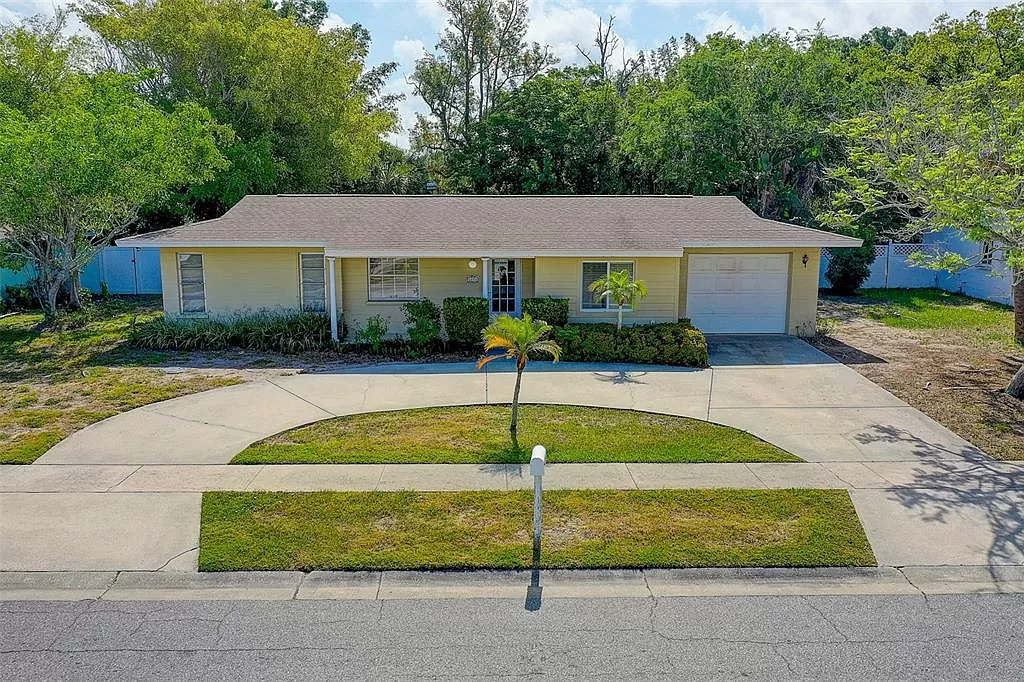
A foreign investor purchased a single-family rental in Tampa, Florida through an LLC using a DSCR loan. The goal was to secure a stable, long-term rental with financing based on property income rather than personal credit.
Deal Snapshot
- Purchase Price: $280,000
- Down Payment: 25% ($70,000)
- Loan Amount: $210,000
- Loan Type: DSCR (property-qualified)
- Interest Rate: ~7% (30-year fixed)
- Monthly Rent: $2,400
How Cap Rate Looks for This Deal
- Annual Rent: ~$28,800
- Estimated operating expenses (~35%): ~$10,000
- Net Operating Income (NOI): ~$18,800
- Cap Rate: $18,800 ÷ $280,000 ≈ 6.7%
Stronger than average, indicating a well-priced income-producing asset.
How Cash Flow Looks for This Deal
- Monthly Rent: ~$2,400
- Monthly mortgage (P&I): ~$1,400
- Taxes: ~$280
- Insurance: ~$315
- Total PITIA: ~$1,995
Cash Flow (Rent − PITIA): $2,400 − $1,995≈ +$405/month
This shows the loan-level cash surplus, which is what lenders indirectly assess through DSCR.
Keep in mind, this is before operating costs like management, maintenance, and vacancy. After those, the net cash flow will be lower, but this gives a clear view of how comfortably the property covers its mortgage.
How DSCR Looks for This Deal
DSCR = Rent ÷ PITIA
$2,400 ÷ $1,995≈ 1.20 DSCR
This is a strong DSCR, which typically qualifies for:
- Better interest rates
- Smoother underwriting
- More flexibility in loan terms
Why This Deal Works
This is what alignment looks like:
- Cap rate (~6.7%): strong for the market
- DSCR (~1.20): comfortably above threshold
- Cash flow (positive): sustainable and scalable

Steven Glick,
Director of Mortgage Sales, HomeAbroad | NMLS# 1231769
When all three metrics align, the deal becomes both financeable and sustainable. A strong DSCR supports loan approval and better terms, positive cash flow ensures the property performs month to month, and a solid cap rate confirms the asset is priced correctly relative to its income.
This is the kind of deal structure we aim for with foreign investors at HomeAbroad, where the property not only qualifies, but continues to perform reliably after closing.
For the latest pricing, you can check current DSCR loan rates to see how rates vary based on DSCR, leverage, and overall deal strength.
Which Metric Should You Prioritize?
All three metrics matter, but they don’t carry equal weight. The right way to use them depends on how you’re buying and what stage you’re in.
At HomeAbroad, we use a simple framework when evaluating deals:
The HomeAbroad Three-Step Metric Sequence
DSCR → Cash Flow → Cap Rate
This sequence reflects how deals actually move from analysis to approval to performance.
If You’re Financing the Deal (Most Foreign Investors)
Start with the HomeAbroad Three-Step Metric Sequence:
- DSCR first: determines if the deal gets approved
- Cash flow second: confirms if the deal is worth holding
- Cap rate last: helps compare it with other options
If a deal doesn’t meet DSCR requirements, it doesn’t matter how strong it looks otherwise, it won’t close.
If You’re Buying All Cash (or Mostly Cash)
Focus on cap rate and cash flow.
- Cap rate: helps you compare deals across markets
- Cash flow: shows actual income
- DSCR: becomes less relevant unless you plan to refinance later
In this case, you’re evaluating the property purely as an income-producing asset.
If You’re Screening Markets from Abroad
Start with cap rate, then narrow down using DSCR-compatible deals.
- Use cap rate to filter cities and neighborhoods
- Then check if deals can realistically qualify under DSCR
- Finally, validate with cash flow
This avoids wasting time analyzing deals that won’t qualify for financing.
If You’re Stress-Testing a Specific Deal
Focus on cash flow under conservative assumptions.
- Factor in vacancy, maintenance, and management
- Assume higher insurance or unexpected costs
- Check if the deal still holds
This is where weak deals usually break.
Steven Glick,
Director of Mortgage Sales, HomeAbroad | NMLS# 1231769
No single metric gives you the full picture.
- DSCR tells you if you can buy the deal
- Cash flow tells you if you should keep the deal
- Cap rate tells you how it compares to others
The mistake is picking one and ignoring the rest. The advantage comes from using them in the right sequence.
Most issues don’t come from not knowing the formulas. They come from using the metrics incorrectly or in isolation.
Common Mistakes Foreign Investors Make with These Metrics
1. Using Gross Rent Instead of NOI for Cap Rate
Cap rate should be based on net operating income, not total rent. Using gross numbers can overstate returns by 30–50%, making average deals look strong.
2. Missing PITIA Components in DSCR
DSCR depends on total housing cost, not just the loan payment.
Common misses:
- Property taxes
- Insurance (especially high in FL/TX)
- HOA fees
Ignoring these can push a deal from qualifying to rejected.
3. Ignoring Real Operating Costs in Cash Flow
Looking only at rent minus mortgage gives an incomplete picture. Once you include management, vacancy, and maintenance, many “positive” deals become break-even or negative.
4. Using Projections Instead of Appraiser Rent
Many investors underwrite deals using listing estimates or expected rent. In reality, lenders use the appraiser’s market rent, which often comes in lower and directly affects DSCR and approval.
5. Ignoring FIRPTA in Return Calculations
Many foreign investors evaluate deals based on cap rate and cash flow without considering exit impact. At sale, FIRPTA can require ~15% of the sale price to be withheld, reducing immediate proceeds and affecting reinvestment timelines.
6. Confusing Cap Rate with Actual Returns
Cap rate measures property performance, not investor returns. It ignores leverage, loan terms, and cash flow, which are what actually determine profitability.
7. Ignoring Ownership Costs (LLC + State Fees)
Holding property through an LLC adds recurring costs such as:
- State filing fees (e.g., ~$800/year in some states)
- Registered agent and compliance costs
These don’t affect DSCR but reduce actual cash flow, especially in the early years.
8. Ignoring How Financing Changes the Deal
A property that looks strong without financing can perform very differently once a loan is added. Higher leverage can reduce cash flow and tighten DSCR, even if the cap rate looks attractive.
Jason Saylor,
Sr. Customer Loan Specialist, HomeAbroad | NMLS# 2594493
Each metric tells part of the story, but none of them work in isolation. The mistakes happen when one number is trusted without checking how it connects to the others, especially when financing is involved.
Target Ranges for Cap Rate, Cash Flow, and DSCR
Benchmarks help you quickly judge whether a deal is worth deeper analysis. They’re not fixed rules, but they give you a realistic range of what “good” looks like across different markets and loan scenarios.
Cap Rate Benchmarks
Cap rate varies heavily by location:
- 6%–8%+: Cash-flow-focused markets (e.g., parts of Memphis ~8%+, Cleveland ~7%–8%)
- 5%–6%: Balanced growth + income markets (Dallas, Tampa, Atlanta)
- 3%–4%: High-cost, appreciation-driven markets (e.g., San Jose ~3%–4%, NYC)
Higher cap rate usually means better income, but often comes with higher risk or slower appreciation.
Cash Flow Benchmarks
For buy-and-hold investors, especially using DSCR loans:
- $200+/month per property: Minimum acceptable
- $300–$500/month: Strong, sustainable deal
- $500+: High cash-flow market or exceptional deal
These ranges assume conservative underwriting. Foreign investors should maintain additional buffer, since exit factors like FIRPTA can impact how quickly capital is recycled.
DSCR Benchmarks
DSCR directly impacts loan approval and pricing:
- 1.0: Minimum threshold for most DSCR programs
- 1.10–1.20: Safer range for approval
- 1.20+: Strong deal, often qualifies for better rates
At HomeAbroad, we also offer no-ratio DSCR loans for properties with a DSCR between 0 and 1. This allows investors to still qualify for financing, but it typically requires a slightly larger down payment (around a 5% reduction in LTV) and comes with higher interest rates.
How to Use These Benchmarks
- Use cap rate to filter markets
- Use DSCR to confirm the deal qualifies
- Use cash flow to validate performance
Benchmarks don’t replace analysis, but they help you quickly spot deals that are worth pursuing versus ones that will likely fail later in the process.
How Lenders Actually Use These Metrics
From a lender’s perspective, these metrics are not used equally. At HomeAbroad, the focus is not on how attractive a deal looks on paper, but whether it meets underwriting standards and can perform under real conditions.
DSCR — The Primary Qualification Metric
This is the core metric we underwrite against.
We evaluate:
- Appraiser-supported rental income
- Full housing cost (PITIA)
- Resulting DSCR ratio
DSCR determines:
- Whether the loan is approved
- What rate tier the deal falls into
- How much flexibility exists in leverage
A higher DSCR generally means lower risk, which translates to better loan terms. A lower DSCR may still qualify, but typically requires stronger reserves or a higher down payment.
Cash Flow — Indirect, But Important
We don’t directly underwrite to your projected cash flow, but it still matters.
Where it shows up:
- Reserve requirements (typically 6–12 months of PITIA)
- Overall deal sustainability
- Risk assessment for borderline DSCR deals
If a deal has very thin or negative cash flow after realistic expenses, it increases the risk profile, even if it technically qualifies on DSCR.
Cap Rate — Not an Underwriting Metric
Cap rate is not used in loan approval.
We don’t base decisions on cap rate because:
- It ignores financing
- It doesn’t reflect actual loan performance
- It assumes a cash purchase
It can be useful for investors when comparing deals, but from a lending standpoint, it does not determine whether a loan moves forward.
Steven Glick,
Director of Mortgage Sales, HomeAbroad | NMLS# 1231769
What This Means for You
- If the DSCR doesn’t work, the deal doesn’t get approved
- If the cash flow doesn’t work, the deal won’t hold long term
- If the cap rate looks good, it still needs to pass the first two
From our side as lenders, the priority is simple: Does the property support the loan, and can it remain stable over time?
Ownership, Taxes, and Exit Considerations for Foreign Investors
Once the deal makes sense on paper, the next step is setting it up correctly. For foreign investors, how you own, finance, and plan your exit has a direct impact on returns, risk, and how smoothly the investment operates over time.
Should You Buy Through an LLC?
Most foreign investors choose to purchase US property through a US-based LLC.
This helps with:
- Separating personal assets from the property
- Simplifying ownership of multiple properties
- Creating a cleaner structure for long-term investing
What it does not change:
- DSCR calculation
- Loan qualification criteria
At HomeAbroad, we assist investors with LLC formation as part of the investment process, so ownership and financing are aligned from the beginning.
How Rental Income Is Taxed in the US
By default, rental income for foreign investors can be taxed at 30% on gross rent, without deductions.
However, by making the Section 871(d) election, rental income can be treated as net income, allowing deductions such as:
- Mortgage interest
- Property taxes
- Insurance
- Maintenance and management
- Depreciation
This is one of the most important setup decisions, because it directly affects your actual returns, not just projected ones. This election is typically made in your first US tax filing and is worth confirming with a cross-border tax professional.
FIRPTA — What Happens When You Sell
Under the Foreign Investment in Real Property Tax Act(FIRPTA), when a foreign investor sells US real estate, the buyer is required to withhold a portion of the sale price (typically 15%) and send it to the IRS.
Key points:
- This is based on sale price, not profit
- It is not your final tax, but a prepayment
- It can reduce the cash you receive at closing and delay reinvestment
For a more detailed breakdown of FIRPTA rules, withholding, and how to reduce it, refer to our full FIRPTA guide.
Planning for FIRPTA early helps avoid surprises later.
A deal can look strong based on cap rate, cash flow, and DSCR, but the ownership structure and tax setup determine what you actually keep.
The investors who get this right early avoid:
- Higher-than-expected taxes
- Delays at closing or sale
- Unnecessary complexity later
That’s why at HomeAbroad, we align financing, ownership setup, and execution from the start, so your investment is not just approved, but built to perform long term.
Bottom Line
Cap rate, cash flow, and DSCR are not competing metrics, they each answer a different question. Cap rate helps you compare opportunities, cash flow tells you how the deal performs month to month, and DSCR determines whether the deal can actually be financed. The key is not choosing one, but using them in the right order so your analysis matches how deals actually get approved and perform.
For foreign investors, that sequence matters even more. DSCR comes first because it defines what’s possible, cash flow confirms whether the deal is worth holding, and cap rate helps you benchmark it against other options. When all three align, you’re not just analyzing a deal, you’re setting up something that can close and hold up over time.
At HomeAbroad, we work directly with foreign investors to finance and structure rental property deals using DSCR loans. Our process is built around how properties actually perform, not just how they look on paper, so you have clarity on qualification, cash flow, and long-term stability before you move forward.
We also support the full investment journey, from helping you evaluate deals to securing financing and closing remotely, even if you’re investing from outside the US.
We recommend having your specific deal reviewed before committing capital, because the gap between what looks good on paper and what actually clears underwriting is where most investors run into issues.
If you’re reviewing a deal and want a clear, deal-specific breakdown, connect with HomeAbroad to get started.
FAQs
Which metric is most important for foreign investors?
For most foreign investors using financing, DSCR is the most important starting point because it determines whether the deal qualifies for a loan. Once the deal meets DSCR requirements, cash flow and cap rate help evaluate performance and compare options.
Can I get a DSCR loan without US credit history?
Yes. At HomeAbroad, DSCR loans are based on the property’s rental income, not your personal credit, employment, or tax history. This makes it one of the most accessible financing options for foreign investors.
What is a good DSCR ratio for investment property?
A DSCR of 1.0 is typically the minimum for approval, while 1.20+ is strong and may qualify for better loan terms. At HomeAbroad, we also offer No ratio DSCR loans which allow below 1.0 DSCR with higher down payment and adjusted pricing.
How does FIRPTA affect my cap rate calculation?
It doesn’t. Cap rate is based on property income and operating expenses, not what happens when you sell. FIRPTA applies at exit and affects how much cash you receive at closing, but it is not included in cap rate calculations.
Do I need to include US taxes in my cash flow projections?
Yes, but only the recurring ones. Property taxes are already part of your expenses and should always be included. Income taxes are not part of standard cash flow calculations, but you should account for them separately when evaluating your net returns after tax.
Does LLC ownership change my DSCR calculation?
No. DSCR is based only on rental income and PITIA. Whether you buy in your personal name or through an LLC does not change the DSCR calculation. However, LLC-related costs (state fees, compliance, etc.) will impact your actual cash flow, not your DSCR.
Should I use gross rent or appraiser rent in my underwriting?
Always underwrite using appraiser-supported market rent. Lenders base DSCR on the appraiser’s rent schedule, not listing estimates or projected rent. Using higher assumed rent can make a deal look viable, but it may fail during underwriting.