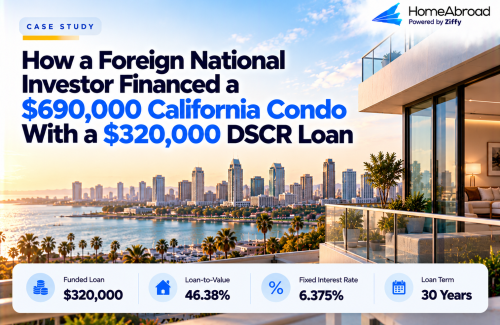
A condominium in coastal Los Angeles appraised at $690,000. The loan used to finance its purchase? Just $320,000.
For a foreign national investor buying US real estate, the financing decision is not always about borrowing the maximum amount available. Sometimes, the more interesting question is how much financing a property actually needs.
That is what makes this Playa del Rey, California, transaction worth examining. HomeAbroad funded a DSCR purchase loan with a 46.38% loan-to-value (LTV) ratio, well below the leverage levels often discussed in investment-property financing.
The result was a $320,000 mortgage on a property appraised at $690,000, financed at 6.375% on a 30-year fixed term. Here’s what the structure tells us about buying a high-value US investment property with comparatively low leverage.
Investment Highlights
The Funded Purchase at a Glance
Loan Amount
$320,000
Appraised Value
$690,000
Loan-to-Value
46.38%
Interest Rate
6.375%
Loan Term
30-Year Fixed
Loan Program
DSCR Purchase
Property: Condominium | Location: Playa del Rey, California | Borrower: Foreign national investor
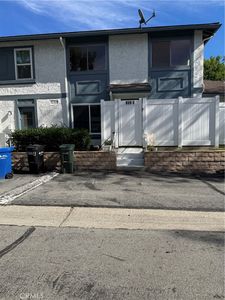
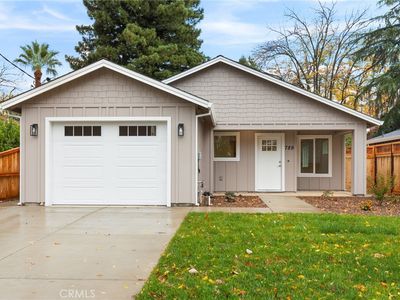
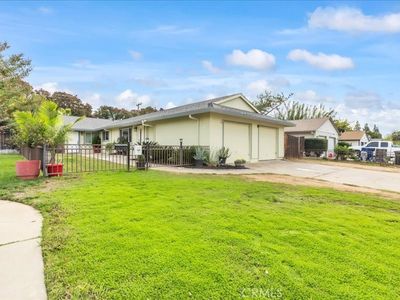
Investment Properties on Sale in California Today


The Starting Point
The Investment Decision Behind the Purchase
For an international buyer looking at US rental property, identifying an attractive investment is only part of the equation. The financing has to work too.
Unlike a cash purchase, mortgage financing introduces a recurring obligation. The more an investor borrows, the more the property’s income may need to support in monthly debt payments.
But borrowing less also presents a trade-off. More capital is committed to the property, leaving potentially less available for other investments, reserves, or future acquisitions.
That tension between using financing and maintaining a conservative debt position provides the context for this transaction.
A foreign national investor purchased a condominium in Playa del Rey, California, using a HomeAbroad DSCR loan. The completed financing did not place a large mortgage against the property’s appraised value. Instead, the $320,000 funded loan represented less than half of its $690,000 appraisal.
The Property
A Coastal California Condominium
Playa del Rey sits along the coast of Los Angeles, near the Pacific Ocean, Marina del Rey, and Los Angeles International Airport.
Its coastal location provides a useful backdrop for understanding the investment. Condominiums in established urban and coastal neighborhoods can represent substantial real estate values, making the structure of the purchase financing especially relevant.
The subject property was a condominium appraised at $690,000.
That appraisal is an established fact of the transaction. However, the available case record does not specify the purchase price, projected rent, unit size, homeowners association dues, or the property’s subsequent rental performance. Those details are not assumed in this analysis.
Property Snapshot
Playa del Rey, California
Coastal Los Angeles-area condominium
$690,000 appraised value
The Defining Feature
Why the 46.38% LTV Stands Out
A property’s value and the loan secured against it are two different figures. The relationship between them is measured through the loan-to-value ratio, or LTV.
In this case, the mortgage covered just 46.38% of the property’s appraised value.
The remaining 53.62% was not financed by the reported loan. This creates a comparatively low-leverage position based on the appraisal, although it does not establish the precise cash contribution or purchase price.
How the Property Value Was Financed
Funded mortgage as a percentage of appraised value
● Funded Loan
46.38%
$320,000
● Value Above Loan
53.62%
$370,000
The $370,000 represents appraised value minus the funded loan. It is not a verified down payment, purchase-price difference, or measure of the borrower’s total cash invested.
Why does this distinction matter?
A lower LTV generally means the loan represents a smaller share of the property’s value. It may provide a greater cushion against a decline in appraised value before the outstanding mortgage exceeds that value.
It does not eliminate investment risk, guarantee appreciation, or establish that the property generates positive cash flow. It simply shows that this transaction was funded with relatively little debt compared with the appraised property value.
The Numbers
Breaking Down the Financing
The LTV calculation is straightforward. Divide the funded loan amount by the appraised property value and multiply by 100.
Loan-to-Value Calculation
($320,000 ÷ $690,000) × 100
46.38% LTV
There is another useful way to understand the transaction: subtract the funded mortgage from the property’s appraised value.
Appraised Value Less Loan
$690,000 – $320,000 = $370,000
Difference between the property’s appraised value and the reported original loan amount.
This was the central structural feature of the deal. Against a $690,000 appraisal, HomeAbroad funded a $320,000 mortgage rather than a loan approaching the property’s full value.
The Loan Program
Where DSCR Financing Fits Into the Purchase
The investor used a debt service coverage ratio (DSCR) purchase loan, a financing option commonly used for residential investment properties.
Instead of primarily relying on a borrower’s personal debt-to-income ratio, DSCR lending evaluates qualifying property rental income against the housing expenses used for underwriting.
For foreign national investors, this can be particularly useful because personal income documentation and US credit history may not resemble those of a domestic borrower.
How DSCR Is Typically Calculated
DSCR = Qualifying Monthly Rent ÷ Monthly PITIA
PITIA includes principal, interest, property taxes, insurance, and applicable association dues. A 1.00 DSCR means qualifying rental income equals the housing expense used in the calculation.
Importantly, the case record confirms the DSCR loan program but does not provide the property’s qualifying rent, monthly PITIA, or final DSCR ratio.
Therefore, we cannot determine the property’s underwriting cash-flow coverage from the available information.
What we can confirm is that HomeAbroad completed the purchase financing under a DSCR program for a foreign national investor, with a funded loan amount of $320,000.
Learn more about HomeAbroad’s financing solutions for international real estate investors.
The Funded Outcome
A $320,000 DSCR Loan on a $690,000 California Condo
The completed transaction resulted in a $320,000 purchase loan funded by HomeAbroad for the foreign national investor.
The mortgage carried a 6.375% interest rate and a 30-year fixed term, with a final LTV of 46.38%.
Final Loan Structure
Funded Loan
$320,000
Loan-to-Value
46.38%
Fixed Interest Rate
6.375%
Loan Term
30 Years
The fixed-rate structure also means the interest rate on the loan is not scheduled to adjust during its term. This provides predictability for the mortgage’s principal-and-interest payment, although property taxes, insurance, and condominium association expenses can still change.
For this transaction, the outcome was not simply that an international buyer obtained a mortgage in California. It was that HomeAbroad completed the financing while keeping the funded loan below half of the property’s appraised value.
Investor Takeaways
What International Investors Can Learn From This Purchase
01 / LEVERAGE
Borrowing Less Can Change the Risk Profile
A lower LTV means less debt relative to the property’s appraised value. That may provide a larger value cushion, although it also usually means committing more capital to the investment.
02 / FINANCING
Foreign National Status Does Not Automatically Mean an All-Cash Purchase
This funded transaction demonstrates that a foreign national investor can obtain DSCR financing for a US investment property, subject to the applicable program and underwriting requirements.
03 / LOAN STRUCTURE
Fixed-Rate Financing Makes One Major Expense More Predictable
The 30-year fixed term offers a stable interest-rate structure. Other operating costs and rental income can still fluctuate, so fixed-rate borrowing should not be confused with guaranteed investment returns.
04 / PROPERTY ANALYSIS
A Low LTV Is Only One Part of a Good Investment
Investors should also consider rental demand, qualifying rental income, HOA dues, maintenance, property taxes, insurance, vacancy, and capital requirements before assessing a property’s financial performance.
The Bigger Picture
The Right Mortgage Is Not Always the Largest Mortgage
The striking number in this Playa del Rey purchase is not only the $690,000 appraisal or the $320,000 loan. It is the relationship between them.
With a 46.38% LTV, the transaction illustrates a lower-leverage approach to financing a high-value US condominium.
HomeAbroad funded the foreign national investor’s DSCR purchase loan on a 30-year fixed term at 6.375%, demonstrating how international buyers can use property-focused mortgage financing without necessarily borrowing close to the property’s appraised value.
Common Questions
Frequently Asked Questions
Can a foreign national get a DSCR loan to buy a condo in California?
Yes. HomeAbroad funded a $320,000 DSCR purchase loan for a foreign national investor buying a condominium in Playa del Rey, California. Eligibility depends on the borrower, property, program guidelines, and underwriting requirements.
What was the LTV on the Playa del Rey purchase?
The funded loan-to-value ratio was 46.38%, calculated by dividing the $320,000 loan amount by the $690,000 appraised value.
Does the $370,000 difference represent the investor’s down payment?
Not necessarily. The $370,000 figure is the difference between the appraised value and the funded mortgage. The verified transaction information does not establish the exact purchase price, down payment, closing costs, or total cash invested.
What interest rate and loan term did the investor receive?
The funded loan carried a 6.375% interest rate with a 30-year fixed term. These are historical transaction-specific terms, not a current rate quote or an indication that similar pricing is available to every borrower.
What was the property’s DSCR?
The case confirms that the investor received a DSCR purchase loan, but the final ratio, qualifying rental income, and monthly PITIA were not included in the verified transaction details.
Why might an investor choose a lower-LTV mortgage?
Lower leverage may reduce the loan balance relative to the property’s value and decrease the debt burden compared with a larger mortgage under otherwise identical terms. The trade-off is generally a larger capital commitment. The appropriate leverage depends on the investor’s financial circumstances and investment objectives.