





Editorial Integrity
Making informed real estate decisions starts with having the right knowledge. At HomeAbroad, we offer US mortgage products for foreign nationals & investors and have a network of 500+ expert HomeAbroad real estate agents to provide the expertise you need. Our content is written by licensed mortgage experts and seasoned real estate agents who share insights from their experience, helping thousands like you. Our strict editorial process ensures you receive reliable and accurate information.
In 2026, the best investment markets are not defined by hype or short-term price spikes. They are defined by whether rents hold up, whether buyers still exist at resale, and whether your deal survives normal shocks like a short vacancy, a higher insurance renewal, or a repair month.
To build this list, we started with the National Association of Realors Housing Hot Spots 2026 metros. NAR’s model is built around a 10-factor scoring system that emphasizes rate sensitivity, affordability realignment, inventory that matches local incomes, and payment-to-rent dynamics, which are directly relevant for rental investing.
Because investors care about rent reality, each market below includes a rent reference point using HUD FY 2026 Fair Market Rents (FMRs). FMRs are used by HUD programs as a standardized rent benchmark and are designed around the 40th percentile rent concept.
Also, mortgage rates matter for investment math. Freddie Mac reported the 30-year fixed average at 5.98% as of Feb 26, 2026, which changes payment pressure and the buyer pool.
Table of Contents
What are the Best Places to Invest in the US in 2026?
Based on our research of hot spots, these 10 metros stand out in 2026:
- Charleston, South Carolina
- Charlotte, North Carolina
- Columbus, Ohio
- Indianapolis, Indiana
- Jacksonville, Florida
- Minneapolis-St. Paul, Minnesota
- Raleigh, North Carolina
- Richmond, Virginia
- Salt Lake City, Utah
- Spokane, Washington
| Metro | 2BR FMR (Monthly) | 3BR FMR (Monthly) |
|---|---|---|
| Charleston-North Charleston, SC | $1,787 | $2,222 |
| Charlotte-Concord-Gastonia, NC-SC | $1,686 | $2,076 |
| Columbus, OH | $1,430 | $1,715 |
| Indianapolis-Carmel, IN | $1,473 | $1,907 |
| Jacksonville, FL | $1,658 | $2,043 |
| Minneapolis-St. Paul-Bloomington, MN-WI | $1,709 | $2,262 |
| Raleigh-Cary, NC | $1,750 | $2,196 |
| Richmond, VA | $1,655 | $2,072 |
| Salt Lake City, UT | $1,747 | $2,333 |
| Spokane, WA | $1,531 | $2,088 |
Top 10 Places to Invest in Property in the US in 2026
1. Charleston, South Carolina
Charleston is a demand-led market where investor outcomes are decided by rent durability and exit liquidity, not by short-term appreciation. In 2026, the practical win here is buying a property that stays rentable at a defensible monthly cost, and still has a deep resale buyer pool when you want to exit.
Charleston is often an insurance-first market. Wind and flood exposure can change your true monthly cost enough to flip DSCR and cash flow. Also clear HOA leasing rules early, especially if your plan involves any non-traditional leasing.
Best fit strategy: Long-term rentals in commuter-friendly neighborhoods, with insurance and HOA cleared before you commit.
Investment Properties on Sale in Charleston Today



2. Charlotte, North Carolina
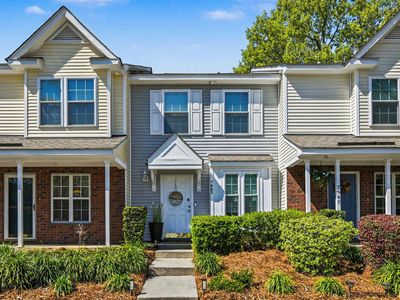
Charlotte is popular with investors because it is a household-formation market with multiple demand engines. That matters because tenant demand and resale liquidity tend to hold up better in metros that are not reliant on a single story.
The money leaks here are usually quiet: property taxes, HOA dues, and maintenance assumptions that look small on paper but compound. The cleanest investor moves are typically boring, stable neighborhoods with consistent renter depth and straightforward property management.
Best fit strategy: Long-term single-family and small multifamily in stable, renter-proven submarkets near durable job centers.
Investment Properties on Sale in Charlotte Today
3. Columbus, Ohio
Columbus is an investor-friendly market because it tends to reward repeatable buy boxes: entry prices that can still make sense, a broad renter base, and fewer boom-bust cycles than many high-volatility metros.
In Columbus, underwriting usually fails because buyers chase “cheap” instead of “rentable.” Older housing stock can also hide capex, so make your inspection scope and reserve planning stricter than you think you need.
Best fit strategy: Long-term cash-flow rentals and conservative value-add holds in tenant-quality pockets with stable demand.
Investment Properties on Sale in Columbus Today
4) Indianapolis, Indiana
Indianapolis works well for investors who want practicality: neighborhoods where long-term renters exist at scale and deals can still be structured with a realistic margin of safety.
The main risk in Indy is not hype, it is execution drift. Small expense creep can matter more here, especially insurance and property taxes relative to rent. Avoid over-renovating for the neighborhood, and do not assume premium finishes automatically translate into premium tenants.
Best fit strategy: Long-term rentals with conservative rehab scopes, preferably properties with predictable maintenance profiles.
Investment Properties on Sale in Indianapolis Today
5) Jacksonville, Florida
Jacksonville has real investor appeal because it is a large metro with multiple renter pools, which helps both leasing and resale liquidity. The opportunity is rent demand and scale. The constraint is Florida-specific execution risk.
Where Jacksonville deals break is usually insurance and condition. Roof age, claims history, and flood exposure can reshape your cash flow overnight. Underwrite insurance early, and use conservative maintenance reserves for humidity and storm exposure.
Best fit strategy: Long-term rentals in proven employment corridors, with insurance quotes and condition diligence done early.
Investment Properties on Sale in Jacksonville Today
6) Minneapolis-St. Paul, Minnesota-Wisconsin
The Twin Cities are a solid fit for investors who value stability and tenant quality. This is often a market where disciplined buy-and-hold strategies can perform well because neighborhood demand tends to be durable through cycles.
The real underwriting work here is capex and seasonality. Older homes can carry hidden mechanical and roof costs. Winter also changes maintenance and vacancy planning, so reserves and property management quality matter more than they do in some Sun Belt markets.
Best fit strategy: Buy-and-hold long-term rentals in high-demand neighborhood pockets, prioritizing durability over fast appreciation.
Investment Properties on Sale in Minneapolis Today
7) Raleigh, North Carolina
Raleigh is attractive for investors because it is a household formation market with strong tenant demand, often tied to education and high-skilled employment. The trade-off is that entry pricing can be less forgiving, so you need tighter purchase discipline.
The most common investor mistake in Raleigh is assuming rent growth will fix an overpay. It will not. Also confirm HOA rules, especially if you want any flexibility in leasing.
Best fit strategy: Long-term rentals in family-demand neighborhoods, purchased at a defensible basis with HOA rules confirmed early.
Investment Properties on Sale in Raleigh Today
8) Richmond, Virginia
Richmond is a “steady demand” metro that often rewards patient investors. It can be a strong fit when your goal is consistent leasing and a reasonable resale market, not a speculative sprint.
Richmond’s key variables tend to be operational: property tax structure, insurance, and maintenance planning for older homes. The deal wins usually come from neighborhood selection, not from aggressive assumptions.
Best fit strategy: Long-term rentals in renter-proven submarkets, with conservative capex reserves and clean property management execution.
Investment Properties on Sale in Richmond Today
9) Salt Lake City, Utah
Salt Lake City is a growth-oriented market that can work well for investors when the buy is disciplined. Demand depth is the upside. The risk is paying a price that rent cannot realistically support.
The cleanest investor wins here tend to be properties with broad tenant appeal and predictable maintenance. Do not buy based on “great city” reputation alone. Buy based on math that works under conservative rent and expense assumptions.
Best fit strategy: Long-term rentals in high-demand commuter neighborhoods, purchased only when rent-to-price coverage is defensible.
Investment Properties on Sale in Salt Lake City Today
10) Spokane, Washington
Spokane is appealing in 2026 because it can offer more attainable opportunities than larger West Coast metros, while still benefiting from regional demand. The upside is relative value. The risk is smaller-market liquidity, which means you cannot afford a mediocre neighborhood.
Spokane deals usually fail at exit, not at purchase. If the market slows, buyer pools thin faster than in larger metros. That makes neighborhood quality, property condition, and tenant profile more important than chasing the lowest entry price.
Best fit strategy: Conservative buy-and-hold long-term rentals in established neighborhood pockets, with strict neighborhood and exit planning.
Investment Properties on Sale in Spokane Today
How To Choose a US Investment Market in 2026
1) Rent durability and tenant depth
The best markets are the ones where renters still exist when conditions tighten, not only when the economy is perfect.
2) Entry price discipline
Price decides your cash in, your payment, your DSCR buffer, and your exit options. If you overpay, you turn a good market into a fragile deal.
3) Insurance and property taxes
Insurance renewals and taxes are two of the fastest ways investors get surprised in 2026. Underwrite them early, not after inspection.
4) Liquidity at exit
You are not buying a “city,” you are buying a property type in a neighborhood. Ask: who buys this asset if rates rise or demand slows?
5) HOA and leasing rules
If your strategy needs flexibility, confirm HOA leasing caps and rental rules before you commit.
6) Property management depth
Remote investing only works when operations are predictable. A strong property manager is a deal stabilizer.
Tips to Keep in Mind Before Investing in US Real Estate
1) Set your budget around the real monthly cost
Include insurance, taxes, HOA, and maintenance reserves. The number that matters is the monthly carry, not the purchase price.
2) Be clear on property use before you shop
Long-term rental, second home, mixed use, or future move-in all change underwriting and sometimes HOA eligibility.
3) Financing planning comes before property selection
If you plan to finance, map your documentation and timing early. In our experience, remote buyers move faster and negotiate better when financing is already structured.
4) Understand how rental income is taxed for nonresident owners
For nonresident aliens, rents can fall under FDAP rules and be taxed at 30% on gross income unless a tax treaty applies or you elect to treat real property income as effectively connected income (ECI) under IRC 871(d).
If you make the 871(d) election, you generally file Form 1040-NR and report income and expenses under ECI treatment.
5) Plan for FIRPTA when you sell
When a buyer acquires a US real property interest from a foreign person, withholding generally is 15% of the amount realized unless an exception or reduced withholding certificate applies.
6) Know the estate tax filing threshold for nonresident owners
If a nonresident who is not a US citizen dies owning US-situated assets, an estate tax return (Form 706-NA) is required when the fair market value of US-situated assets exceeds $60,000. Treaties may change outcomes, so estate planning matters.
7) Work with internationally experienced agents when you are buying remotely
If you want an internationally trained agent, the Certified International Property Specialist (CIPS) designation is a recognized program designed for international real estate transactions.

Find the best real estate agent with international expertise
Connect with a HomeAbroad real estate agent in your area.

Final Thoughts
The US offers many real estate markets, and the right pick depends on your return target, risk tolerance, and how remote you plan to operate.
HomeAbroad works with international buyers to simplify financing and deal execution so you can invest with clearer numbers and fewer surprises. If you share your budget, target property use, and preferred hold period, we can help you narrow down markets that fit your underwriting.
Frequently Asked Questions
Can I buy US property if I am not a US citizen?
Yes, foreign nationals can buy US real estate. The process is similar, but financing, documentation, and tax planning typically require more preparation.
Do I need US credit history to get a mortgage?
No, as a foreign national investing in US real estate, you do not need US credit history. You can qualify using the property’s rental income with HomeAbroad DSCR loan; your personal income is not needed.
How is rental income typically treated for nonresident owners?
FDAP income such as rents can be taxed at a flat 30% rate on gross income unless a tax treaty applies, and owners can elect ECI treatment for real property income under IRC 871(d) with filing requirements.
What happens when I sell as a foreign owner?
FIRPTA withholding generally applies, and the default rate is 15% of the amount realized, subject to exceptions or reduced withholding certificates.