




Editorial Integrity
Making informed real estate decisions starts with having the right knowledge. At HomeAbroad, we offer US mortgage products for foreign nationals & investors and have a network of 500+ expert HomeAbroad real estate agents to provide the expertise you need. Our content is written by licensed mortgage experts and seasoned real estate agents who share insights from their experience, helping thousands like you. Our strict editorial process ensures you receive reliable and accurate information.
Key Takeaways:

1. HomeAbroad’s foreign national mortgage programs require at least 6 months of cash reserves based on your monthly PITIA(Principal, Interest, Taxes, Insurance, and Association dues).

2. Cash reserves must be liquid, accessible, and held separately from your down payment and closing costs. Funds must remain in your account after closing.

3. Reserve requirements can increase depending on loan type, property, loan size, and overall risk profile of your deal.
Table of Contents
Foreign national mortgage reserves typically start at 6 months of PITIA, though this can increase depending on the loan type, property, and overall risk profile.
Cash reserves are calculated based on your monthly mortgage payments. For example, if your monthly PITIA (Principal, Interest, Taxes, Insurance, and Association dues) is $2,000:
-
 6 months of reserves = $12,000
 - 12 months of reserves = $24,000
At HomeAbroad, we look for 6 months of cash reserves as the standard baseline for most foreign national mortgage approvals, but this can increase to 9–12 months in higher-risk scenarios such as short-term rentals, higher loan amounts, or properties with lower income coverage.
The reason this matters is that we need to see that you can comfortably manage the loan even if things don’t go as planned. Whether the loan is based on rental income or your personal financial profile, cash reserves act as a safety buffer, ensuring you can continue making payments if income is delayed, expenses increase, or market conditions shift.
This guide breaks down how reserve requirements work across different loan options, what counts as reserves, and how to structure your deal so you meet the requirement without tying up unnecessary capital.
What Are Cash Reserves in a Foreign National Mortgage?
Foreign national mortgage reserves refer to liquid funds you must have available after closing to cover your loan payments for a set period of time.
The distinction here is that cash reserves are separate from your down payment and closing costs. These funds are not used in the transaction they must remain accessible in your accounts as a financial cushion once the property is purchased.
We evaluate reserves based on your monthly mortgage payment (PITIA: Principal, Interest, Taxes, Insurance, and Association dues). The goal is simple: to ensure you can continue making payments even if your expected income whether rental or personal doesn’t come in as planned.
How Foreign National Mortgages Reserves Are Calculated?
Cash reserves for foreign national mortgages are calculated based on your monthly PITIA and the number of months required by the lender.
The formula is straightforward:
Cash Reserves = Monthly PITIA × Number of Required Months
For example:
- Monthly PITIA: $1,500
- Required reserves: 6 months
- Total reserves needed: $9,000
The formula looks simple, but the real detail lies in how PITIA is calculated. Your reserve requirement isn’t based on your mortgage payment alone. Property taxes, insurance, and any HOA dues are all factored in, which means your actual number is often higher than most borrowers expect.
Here’s why that matters for your deal: even a small increase in monthly expenses can significantly impact the total reserves needed. A $300 HOA fee, for instance, adds $1,800 to a 6-month reserve requirement.
How Much Cash Reserves Do Foreign Nationals Need for US Mortgages?
The amount of cash reserves required for foreign national mortgages typically starts at 6 months of PITIA, but it can increase depending on the loan type, property, and overall risk profile.
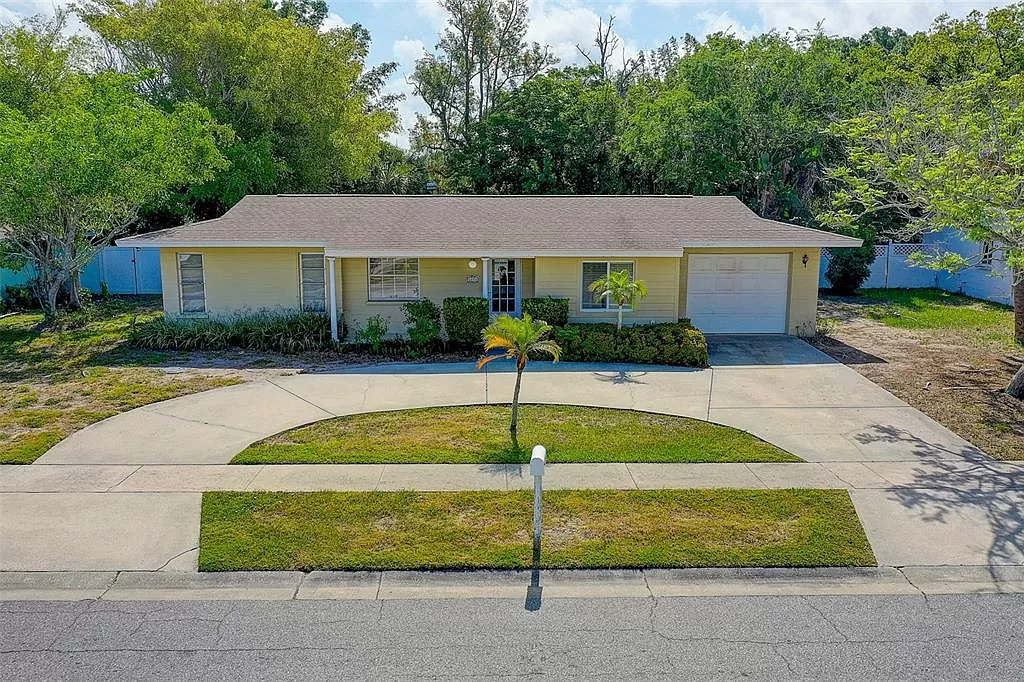
One of our clients from Canada purchased a rental property in Florida using HomeAbroad’s DSCR loan. Since the property had stable long-term rental potential and a strong overall profile, they were able to qualify with the standard 6-month reserve requirement without needing additional reserves.
- Monthly rental income: $2,800
- Monthly PITIA: $2,200
- DSCR: 1.27
- Required reserves (6 months): $13,200
This shows how a well-structured deal with consistent income can stay within the baseline reserve requirement. In most cases, understanding where your deal stands early in the process helps you plan your liquidity better and avoid last-minute surprises during underwriting.
What Counts as Cash Reserves for Foreign National Loans?
Cash reserves must be liquid, accessible, and verifiable funds that you can use immediately if needed. Lenders are not just looking at how much you own they want to confirm that the money is readily available after closing.
Accepted Liquid Assets
- Checking and savings accounts
- Personal bank accounts (domestic or international, if verifiable)
- Stocks and mutual funds (may be counted at a percentage of their market value, typically 70–80%, due to volatility)
- Cash equivalents
These are preferred because they can be quickly converted into cash without restrictions.
Conditional or Limited Assets
- Retirement accounts (may be discounted or partially considered)
- Foreign accounts (must meet documentation and transferability requirements)
These assets are not always counted at full value and depend on lender guidelines.
What Does Not Qualify as Cash Reserves
- Real estate equity
- Vehicles or other physical assets
- Business funds without clear personal access
- Illiquid or restricted investments
Having a high net worth doesn’t automatically mean you meet reserve requirements. We focus specifically on liquidity and control over funds, not total asset value.
Factors That Affect Cash Reserve Requirements for Foreign Nationals
Cash reserve requirements for foreign national mortgages are not fixed. While 6 months is the standard baseline, requirements can vary based on the strength of the deal and specific foreign national mortgage program guidelines. The stronger your file, the more likely you are to stay closer to the minimum requirement.
1. Loan Type and Qualification Method
Different loan programs assess risk differently. For example, DSCR loans focus on property income, while full documentation loans consider your financial profile more broadly. Depending on the structure, lenders may increase reserves to balance risk in the file.
2. DSCR Ratio and Income Stability
For rental income-based loans, the strength and consistency of rental income directly impact reserve requirements. Properties with stable, predictable rental income typically require fewer reserves, while borderline scenarios may lead lenders to ask for additional months of reserves.
3. Property Type (Long-Term vs Short-Term Rentals)
Long-term rentals are generally viewed as more stable, which helps keep reserve requirements lower. Short-term rentals, on the other hand, can have fluctuating income, so some lenders often require higher reserves to offset that variability.
4. Loan Size and Down Payment
Larger loan amounts increase lender exposure, which can lead to higher reserve requirements. Similarly, lower down payments may result in additional reserves being required to compensate for higher leverage.
5. Market and Location Risk
Certain markets carry more risk due to volatility, regulations, or seasonal demand. In these cases, lenders may increase reserve requirements to account for potential income or market fluctuations.
How to Reduce Cash Reserve Requirements for Foreign National Mortgages
Cash reserve requirements aren’t always fixed. In many cases, they can be optimized by improving how the deal is structured rather than simply increasing your available cash.
1. Strengthen Your Overall Financial Profile
Stronger overall profiles tend to stay closer to the minimum reserve requirement. This can come from better financial positioning, clearer documentation, or choosing a loan structure that aligns well with your scenario.
2. Increase Your Down Payment
Putting more money down reduces the lender’s risk exposure. Lower leverage often makes it easier to qualify with the standard 6-month reserve requirement instead of being pushed to 9–12 months.
3. Choose the Right Property Type
Properties with stable and predictable income—such as long-term rentals—are generally viewed as lower risk. This can help keep reserve requirements lower compared to short-term or variable-income properties.
4. Keep Your Funds Clean and Well-Documented
Lenders look closely at how reserves are sourced and documented. Funds that have been held in the same account for at least 60–90 days (commonly referred to as ‘seasoned’ funds) are easier for lenders to verify and more likely to be accepted without additional conditions
5. Align the Loan Structure with Your Scenario
Different loan options have different ways of assessing risk. Choosing the right structure from the start can prevent unnecessary increases in reserve requirements later in the process.
What Happens If You Don’t Meet Cash Reserve Requirements?
Not meeting cash reserve requirements doesn’t automatically mean your loan will be rejected. In many cases, we look for ways to adjust the deal rather than decline it outright.
One common approach is to rebalance the loan structure. This could mean:
- Increasing your down payment
- Adjusting the loan terms
- Switching to a different loan program better suited to your profile
This works because reserves are just one part of the overall risk assessment. If other parts of your application are strong, we may offset lower reserves by strengthening another area.
This flexibility does have limits, though. If reserves fall significantly short or multiple risk factors are present in the deal, you may need to bring in additional liquidity before moving forward.
In our experience, most issues around reserves don’t come from a lack of funds, they come from planning late in the process. When reserves are addressed early, there’s usually enough flexibility to structure the deal correctly.
Qualify for a Foreign National Mortgage Today
Cash reserves are one of the most controllable parts of your mortgage when planned early. Most foreign national mortgages start with a 6-month reserve requirement, but the key is structuring your deal so you meet that requirement without tying up unnecessary capital.
At HomeAbroad, we offer tailored foreign national mortgages designed specifically for international investors and visa holders. Our loan programs are structured to match how foreign buyers qualify, so you can move from application to approval with a clear and straightforward process.
Get pre-qualified in minutes to understand your exact reserve requirement and how to structure your deal before you move forward.
Frequently Asked Questions
How many months of cash reserves are required for foreign national mortgages?
At HomeAbroad, our foreign national mortgage programs require 6 months of cash reserves as a standard baseline. This means you should have enough liquid funds to cover six months of your total monthly housing expenses (PITIA) after closing.
Do all foreign national mortgage programs require cash reserves?
Yes, not only for foreign national mortgages, but most traditional mortgage programs also require cash reserves. The reserve requirements are based on the loan type, property, and overall scenario.
How are cash reserves calculated for foreign national loans?
Cash reserves are calculated using your monthly mortgage payment (PITIA: Principal, Interest, Taxes, Insurance, and Association dues).
Formula:
Cash Reserves = Monthly PITIA × Number of Months Required
What happens if I don’t have enough cash reserves?
If you fall slightly short, lenders may adjust the loan structure, such as increasing your down payment or changing loan terms. If reserves are significantly below the requirement, you may need to add more liquid funds before approval.
Can I use foreign bank accounts for reserves?
Yes, at HomeAbroad, foreign bank accounts can be used as cash reserves as long as the funds are verifiable, accessible, and transferable.
How long must reserves be seasoned?
Cash reserves typically need to be seasoned for at least 60 days, meaning the funds should be held in your account for that period and not recently deposited or transferred from another source.




![DSCR Loan Down Payment Requirements [2026]](https://homeabroadinc.com/wp-content/uploads/2023/01/DSCR-loan-down-payment.png)