



![Virginia Investment Property Market for Foreign Investors [2026]](https://homeabroadinc.com/wp-content/uploads/2026/10/Virginia-Investment-Property-Market-500x325.png)

Editorial Integrity
Making informed real estate decisions starts with having the right knowledge. At HomeAbroad, we offer US mortgage products for foreign nationals & investors and have a network of 500+ expert HomeAbroad real estate agents to provide the expertise you need. Our content is written by licensed mortgage experts and seasoned real estate agents who share insights from their experience, helping thousands like you. Our strict editorial process ensures you receive reliable and accurate information.
Virginia’s metro markets offer gross rental yields ranging from approximately 5.1% to 8.1%, depending on location.
Roanoke, Harrisonburg, and Lynchburg combine rental income potential with steady five-year growth in home values and rents.
Danville and Martinsville offer the highest gross yields, but investors should also assess property value trends and rental growth.
Foreign nationals can finance Virginia rental properties through HomeAbroad DSCR loans, which qualify primarily based on property rental income and do not require an established US credit history.
Table of Contents
Foreign nationals can buy and own rental property in Virginia, and current market research highlights several opportunities across the state. Our analysis of Virginia’s metro markets shows gross rental yields ranging from about 5.1% in Charlottesville to 8.1% in Danville, with several mid-sized markets combining competitive rental yields with strong five-year growth in home values and rents.
This guide compares Virginia’s metro markets to identify where the strongest overall investment opportunities may lie, considering both rental income potential and market growth. The analysis examines home values, monthly rents, gross rental yields, five-year growth in home values and rents, and recent home value trends.
The yields shown are gross figures, meaning they measure annual rent against home value before property taxes, insurance, HOA dues, vacancy, management, and financing costs. We explain what that leaves out later in the guide.
One point worth settling up front: buying property in the US does not grant you a visa, residency, green card, or any change in immigration status. Your purchase is a real-estate and financing decision, and it stays separate from your immigration situation.
Can Foreign Nationals Buy Investment Property in Virginia?
Yes. Virginia places no general ban on foreign nationals owning residential real estate, and you do not need to be a US citizen, a green-card holder, or a resident to purchase a rental property in the state. International investors buy single-family homes, condos, and small rental properties across Virginia every year, often for long-term rental income.
A few practical points shape how this works in practice:
- Ownership structure. Many foreign investors hold US rental property in their own name, while others use a US limited liability company (LLC). Each approach carries different tax and liability consequences, so this is a question for a qualified tax advisor or attorney before you buy.
- State and federal rules can apply to specific situations. While general residential investment is open to foreign buyers, some restrictions exist at the federal and state level for particular buyer categories, property types, or land near sensitive sites. Confirm that your specific situation is clear before you commit to a purchase.
- Credit and financing are handled differently for foreign nationals. You do not need an established US credit history to finance a Virginia investment property through programs built for international buyers. We cover financing near the end of this guide.
Buying a home here does not change your immigration status. Property ownership and immigration are separate tracks, and no amount of US real estate converts into a visa or residency on its own. If you want the full picture on eligibility, documents, and the buying process, see our guide to buying US property as a foreign national.
Virginia Rental Market at a Glance (2026)
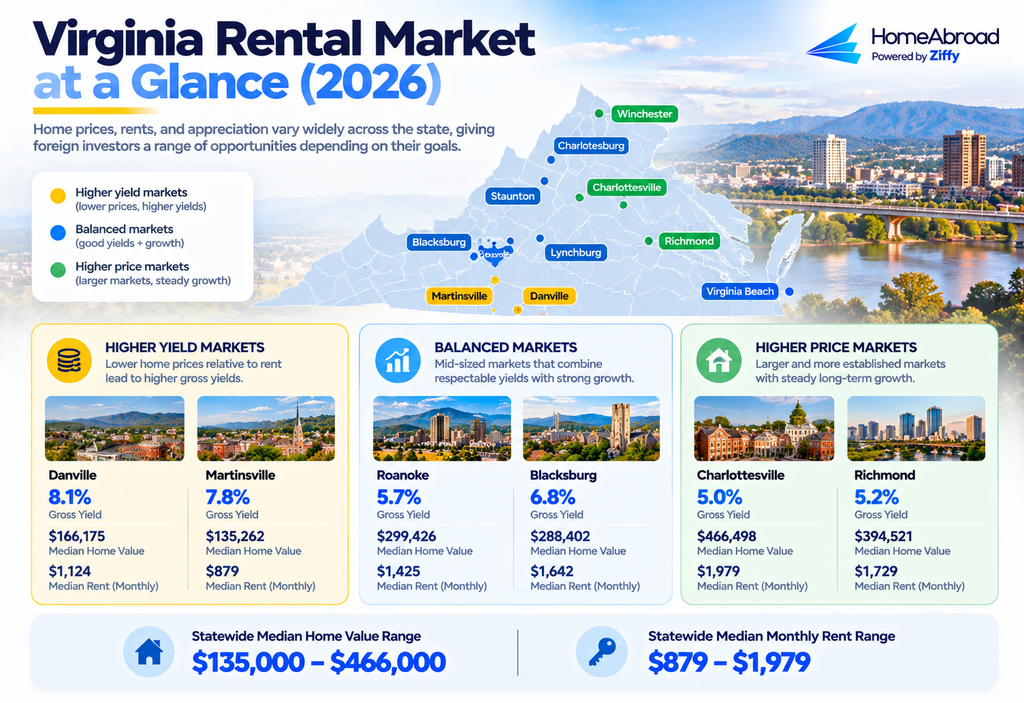
Virginia gives foreign investors a wide spread of markets to choose from, and the right one depends on whether you want income, growth, or a balance of both. Across the state’s metro areas, median home values range from roughly $135,000 in Martinsville to about $466,000 in Charlottesville, with median rents running from around $879 to nearly $2,000 a month.
That range produces a clear pattern. The smaller markets in southern and western Virginia, such as Danville and Martinsville, carry the highest gross yields because home prices there are low relative to rent. The larger and more established markets, such as Charlottesville, Richmond, and Winchester, carry higher price tags and lower yields, but they have shown steady value growth over the past five years. In between sit a group of mid-sized markets, including Roanoke, Harrisonburg, Blacksburg, and Virginia Beach, that combine respectable yields with strong five-year appreciation in both home values and rents.
For an international investor, this matters because a high yield on a cheap, slow-growing market is a different bet than a moderate yield on a market where both rents and values have climbed for years. The ranking below weighs both.
Top Virginia Markets for Rental Property Investment
These six markets scored highest on the combined measure of rental yield and market growth. Each entry lists the median home value, median monthly rent, implied annual rent, gross rental yield, and five-year growth in both home values and rents, based on our market analysis.
Investors should evaluate rental income and property value trends together. A market with strong rental yields may suit a cash-flow-focused strategy, while another with steadier appreciation may appeal to investors with a longer holding period. The right choice depends on the investor’s objectives and the property’s numbers.
NMLS #2171747

Roanoke: The Strongest Overall Balance
Roanoke comes out on top because it does not lean on any single number. With a median home value near $299,000 and median rent around $1,425 a month, it carries a gross yield of about 5.7%. Over the past five years, home values rose roughly 32% and rents rose about 38%, among the strongest combined growth of any Virginia market in the data. For an investor who wants income and appreciation without paying top-of-market prices, Roanoke is the clearest fit.
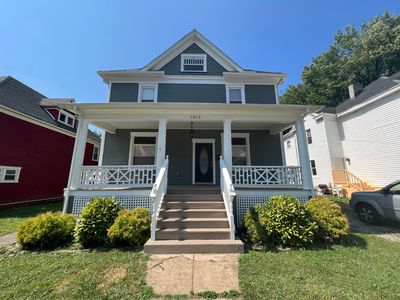
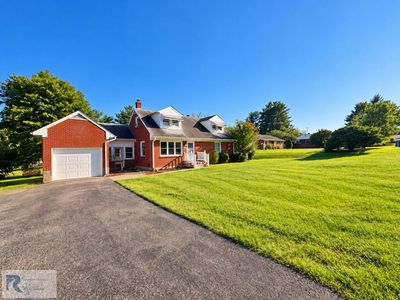
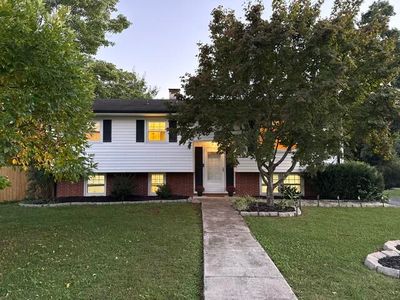
Investment Properties Listed Today on Sale in Roanoke


Harrisonburg: Leading Rent Growth
Harrisonburg posted the fastest five-year rent growth in the full-data group, around 40%, alongside a gross yield near 6.0%. Its median home value sits around $352,000 with rent close to $1,757 a month. Rising rents are what drive income growth over time, so a market where rent has climbed this steadily deserves attention from buy-and-hold investors.
Investment Properties Listed Today on Sale in Harrisonburg
Lynchburg: Affordable Entry With Steady Growth
Lynchburg offers one of the lower price points among the balanced markets, with a median home value around $290,000 and rent near $1,297 a month, for a gross yield of about 5.4%. Home values grew roughly 30% over five years and rents about 34%. For a first US investment property, the lower entry price and consistent growth make it an approachable market.
Investment Properties Listed Today on Sale in Lynchburg
Virginia Beach: The Largest Coastal Market
Virginia Beach is the biggest and most liquid market on this list, with a median home value around $373,000, rent near $1,891 a month, and a gross yield of about 6.1%, strong for a market of its size. Rents rose about 30% over five years. One cost worth flagging: coastal property often carries higher insurance, including flood coverage, which the yield figure does not account for. Factor that into any Virginia Beach analysis.
Investment Properties Listed Today on Sale in Virginia Beach
Blacksburg: The Highest Yield Among Balanced Markets
Blacksburg carries the highest gross yield of the six balanced markets, about 6.8%, with a median home value near $288,000 and rent around $1,642 a month. As a university town, it draws steady rental demand, though that also means a landlord should understand the local tenant mix and seasonal patterns before buying.
Investment Properties Listed Today on Sale in Blacksburg
Staunton: The Best Recent Momentum
Staunton showed the strongest one-year home value growth in our analysis, at about 4.9%, alongside roughly 27% growth over five years. With a median home value around $335,000, rent near $1,460 a month, and a gross yield of about 5.2%, it is a market where recent price trends indicate continued growth.
Investment Properties Listed Today on Sale in Blacksburg
High-Yield Value Metros: Danville and Martinsville
Two Virginia markets post the highest gross yields in the entire dataset, and they are worth a separate looDanville and Martinsville offer the highest gross rental yields among Virginia’s metro markets, making them worth considering for investors seeking rental income potential at a lower purchase price.
Danville has a gross yield of about 8.1%, based on a median home value of approximately $166,000 and monthly rent of $1,124. Martinsville follows at around 7.8%, with a median home value near $135,000 and monthly rent of $879. Both markets stand out for their relatively low property prices and attractive gross yields.
However, rental yield is only one part of the investment picture. Martinsville’s home values declined by about 4.4% over the past year, while Danville recorded approximately 1.5% growth over the same period and roughly 33% growth over five years. This gives Danville a more favorable recent value trend.
For investors focused on rental income, both markets deserve consideration. Before investing, compare expected rent with property taxes, insurance, maintenance, vacancy, and financing costs to determine whether a specific property offers sustainable returns.

Steven Glick
Director of Mortgage Sales · HomeAbroad
A high gross rental yield can make a property look attractive, but investors need to account for taxes, insurance, maintenance, vacancy, and financing costs before judging its potential. The goal is to understand how much income the property can realistically generate after expenses.
Virginia Investment Metrics Compared
The table below compares Virginia’s metro markets, ordered by overall investment potential, with the two high-yield value markets listed at the end. Use it to compare home values, rental income potential, gross yields, and market growth before evaluating individual properties.
Metro | Median Home Value | Median Rent (Monthly) | Gross Yield | 5-Yr Value Growth |
|---|---|---|---|---|
Roanoke | $299,426 | $1,425 | 5.7% | +31.9% |
Harrisonburg | $351,755 | $1,757 | 5.9% | +25.4% |
Lynchburg | $290,368 | $1,297 | 5.3% | +29.5% |
Virginia Beach | $373,040 | $1,891 | 6.0% | +25.5% |
Blacksburg | $288,402 | $1,642 | 6.8% | +21.8% |
Staunton | $334,737 | $1,460 | 5.2% | +26.7% |
Winchester | $386,903 | $1,890 | 5.8% | +22.3% |
Richmond | $394,521 | $1,729 | 5.2% | +27.0% |
Charlottesville | $466,498 | $1,979 | 5.0% | +22.3% |
Danville | $166,175 | $1,124 | 8.1% | +32.6% |
Martinsville | $135,262 | $879 | 7.8% | +18.2% |
What the Numbers Leave Out
The yields in this guide are a strong way to compare Virginia markets, but they are not your actual return. Before you commit to any property, work through the costs the gross figure sets aside.
- Property taxes and insurance. These vary by county and property, and coastal markets like Virginia Beach often carry higher insurance, including flood coverage. Both come straight off your rental income.
- Vacancy and management. No rental stays occupied every month, and most overseas investors hire a property manager, which typically costs a share of the monthly rent.
- HOA dues. Condos and some single-family communities charge monthly association fees that the yield figure does not include.
- Financing costs. If you borrow to buy, your mortgage payment is the largest line item of all, and it determines whether the property produces positive cash flow.
- Taxes on resale. When a foreign national sells US property, the buyer is generally required to withhold a portion of the sale price under a federal rule known as FIRPTA, which you then reconcile on a US tax return. This is a cash-flow and timing matter worth planning for well before you sell. See our FIRPTA guide for foreign investors for how the withholding works.
The gap between gross yield and net return is real, and it is usually the difference between a property that looks good on paper and one that performs. Run the specific numbers on any property you are serious about, using its actual taxes, insurance, and expected rent rather than the metro median.
How We Ranked Virginia’s Markets
We did not rank these markets by rental yield alone. A market can post a high yield simply because its home prices are low and have stayed flat, which is not the same as a market where an investor has gained on both rent and property value over time.
Instead, each market was scored using four signals, drawing on Zillow market data alongside our comparative analysis, with no single factor allowed to dominate:
- Gross rental yield, which measures current annual rent against current home value.
- Five-year home value growth, which measures how much property values have appreciated over the past five years.
- Five-year rent growth, which shows how much rental income has risen over the same period.
- One-year home value growth, which indicates recent changes in property values.
A market that scores well across all four is a stronger overall rental bet than one that wins on yield but lags on growth, or one that has appreciated sharply but offers thin rental income. The top markets below are the ones with the best balance.
Two definitions to keep in mind as you read. Gross yield is annual rent divided by home value, before costs. It is a useful way to compare markets on the same footing, but it is not your actual return. Median figures describe the middle of a market, not any specific property, so treat them as a starting point for a market you then analyze property by property.
Financing a Virginia Investment Property as a Foreign Investor
Foreign nationals can finance Virginia investment properties without an established US credit history through mortgage programs designed for international buyers. HomeAbroad offers financing options for foreign investors, including mortgages that evaluate a property’s rental income, making it easier to explore investment opportunities without relying on a US credit profile.
HomeAbroad also offers an AI-native investment property search platform, that helps investors discover and evaluate US real estate opportunities. By combining property search with mortgage financing options, HomeAbroad helps international real estate investors move from identifying a potential investment to exploring how to finance it.
For foreign nationals considering a Virginia rental property, the right mortgage depends on the property’s income potential, purchase price, available assets, and investment goals. HomeAbroad can help you understand your financing options and the requirements that apply to your situation.
Ready to run your numbers? Get pre-approved with HomeAbroad and find out what a Virginia investment property could look like for you.
Frequently Asked Questions
Can foreign nationals buy rental property in Virginia?
Yes. There is no general ban on foreign nationals owning residential rental property in Virginia, and you do not need citizenship, a green card, or residency to buy. Confirm that no rule applies to your specific buyer category or property type before you commit.
Which Virginia market has the highest rental yield?
In this data, Danville has the highest gross rental yield at about 8.1%, followed by Martinsville at about 7.8%. Among the markets with the strongest overall balance of yield and growth, Blacksburg leads on yield at about 6.8%.
Do I need a US credit history to finance a Virginia investment property?
No. HomeAbroad offers mortgages for foreign nationals that do not require an established US credit history. A DSCR loan, for example, qualifies on the property’s expected rental income rather than your US credit. You will still provide documentation such as identification, asset verification, and property details.
What counts as a good gross rental yield in Virginia?
Across Virginia’s metro markets in this data, gross yields run from about 5.1% to 8.1%. The mid-range markets in the 5.5% to 6.8% band tend to pair a reasonable yield with stronger growth, which is often a better long-term bet than the highest yield alone. Remember that gross yield is before taxes, insurance, and other costs.
Does buying property in Virginia affect my visa or immigration status?
No. Buying US real estate does not grant a visa, residency, or any change in immigration status. Property ownership and immigration are separate, and a home purchase alone has no immigration effect.
Should I buy in cash or with a mortgage?
That depends on your goals and your access to capital. Financing lets you spread your money across more properties and can improve your return on cash invested, but it adds a monthly payment that reduces cash flow. A pre-approval from HomeAbroad will show you what borrowing looks like for a specific Virginia property so you can compare both paths.