



Editorial Integrity
Making informed real estate decisions starts with having the right knowledge. At HomeAbroad, we offer US mortgage products for foreign nationals & investors and have a network of 500+ expert HomeAbroad real estate agents to provide the expertise you need. Our content is written by licensed mortgage experts and seasoned real estate agents who share insights from their experience, helping thousands like you. Our strict editorial process ensures you receive reliable and accurate information.
Dallas-Fort Worth is the No. 1 real estate market to watch in the US for 2026, supported by strong job growth, business expansion, and long-term population growth.
Foreign nationals can buy and finance Dallas investment property without a US Social Security Number, US credit history, or permanent residency through specialized foreign national mortgage programs.
Different Dallas neighborhoods support different investment strategies. Some areas are better suited for cash flow, while others offer stronger long-term appreciation or stable rental demand.
Review the property’s rental income, financing options, and ownership structure before making an offer. Planning these details early can help avoid delays during underwriting and closing.
Table of Contents
Dallas continues to attract international real estate investors because of its diverse economy, steady population growth, and resilient rental market. The ULI Emerging Trends in Real Estate 2026 report ranked the Dallas-Fort Worth metro as the No. 1 real estate market to watch in the United States for the second consecutive year, supported by strong job growth, business expansion, and a growing population.
While home prices have moderated from their pandemic highs, improving inventory and continued rental demand are creating opportunities for long-term investors.
Foreign nationals can legally buy and finance investment property in Dallas without a US Social Security Number, US credit history, or permanent residency through specialized foreign national mortgage programs.
This guide explains real estate investing in Dallas for international investors, covering market trends, the best neighborhoods for different investment strategies, financing options, tax and legal considerations, and the practical steps involved in buying and managing rental property.
Why International Investors Are Buying in Dallas
Dallas has become a preferred destination for international real estate investors because it combines a diversified economy with long-term population growth and consistent rental demand.
Unlike markets that rely heavily on a single industry, Dallas-Fort Worth benefits from strong employment across finance, technology, healthcare, logistics, manufacturing, and professional services, creating demand for rental housing throughout the metro area.
Economic Growth and Population Continue to Support Housing Demand
The Dallas-Fort Worth metro generated approximately $744 billion in gross domestic product (GDP), making it one of the largest regional economies in the United States. Major employers such as Toyota North America, AT&T, American Airlines, Texas Instruments, JPMorgan Chase, and Charles Schwab have established major operations in North Texas, attracting new residents and supporting long-term housing demand.
Population growth remains another key advantage. The Dallas-Fort Worth metro is home to more than 8.3 million residents and continues to add new households each year, creating demand for both owner-occupied housing and rental properties across the region.
Dallas Continues to Attract Foreign Buyers
Texas consistently ranks among the most popular destinations for international real estate investment. According to the National Association of REALTORS, Texas accounted for 10% of all foreign residential property purchases in the United States, making it the third most popular state for international buyers. It also remains the leading destination for buyers from Mexico, reflecting Dallas’ strong international business connections and proximity to the US-Mexico border.
International buyers purchased approximately $4.8 billion in residential real estate across Texas, with a median purchase price of $420,800. Many investors are drawn to Dallas because of its economic stability, diverse employment base, and the opportunity to build rental portfolios in one of the country’s largest metropolitan areas.

Steven Glick
Director of Mortgage Sales · HomeAbroad
The Dallas market offers very different opportunities depending on the neighborhood. We encourage international investors to evaluate local rental demand and financing before focusing solely on purchase price, because those factors often have a greater impact on long-term performance.”
Best Dallas Neighborhoods and Suburbs for Investors
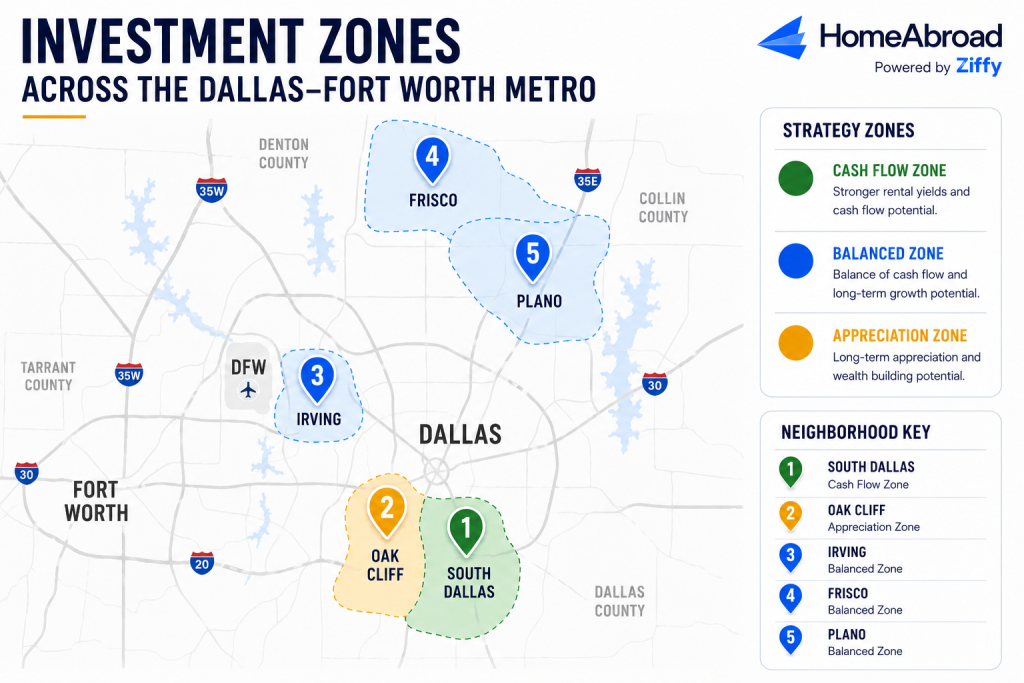
No single neighborhood is the “best” place to invest in Dallas. The right location depends on your investment strategy, budget, and long-term objectives. Some areas offer stronger cash flow through lower purchase prices, while others provide greater appreciation potential supported by job growth and corporate expansion.
The comparison below highlights some of the most popular areas for foreign investors based on current market trends.
Area | Investment Strategy | Median Home Price | Estimated Monthly Rent | Best For |
|---|---|---|---|---|
South Dallas | Cash Flow | $312,652 | $1,850 | Affordable long-term rentals |
Oak Cliff | Balanced | $365,000 | $2,450 | Cash flow and appreciation |
Irving | Balanced | $345,281 | $2,750 | Corporate and professional tenants |
Frisco | Appreciation | $658,055 | $3,900 | Long-term appreciation |
Plano | Appreciation | $506,472 | $3,250 | Executive rentals and stable demand |
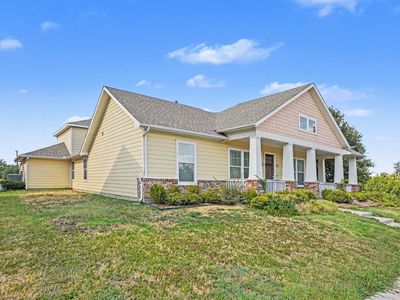
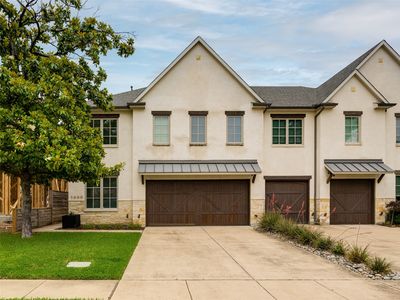
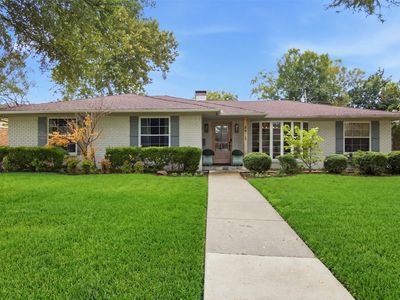
Investment Properties Listed Today on Sale in Dallas


Cash-Flow Focus
Investors seeking stronger rental yields often look at areas such as South Dallas and parts of southern Dallas County, where lower purchase prices can produce higher rental yields. These neighborhoods typically attract long-term tenants looking for affordable housing and may appeal to investors focused on monthly cash flow rather than rapid appreciation.
Balanced Investment Opportunities
Neighborhoods such as Oak Cliff and Irving offer a balance between rental income and long-term value growth. Oak Cliff has benefited from ongoing redevelopment, while Irving continues to attract professionals working in nearby business districts, corporate headquarters, and DFW International Airport.
Appreciation-Focused Markets
For investors prioritizing long-term capital growth, Frisco and Plano remain among North Texas’ most established markets. Continued corporate investment, highly rated schools, and strong employment growth have supported housing demand, making these areas attractive for long-term buy-and-hold strategies.

International investors often ask which Dallas neighborhood is best. The better question is which neighborhood fits your investment goals. A property that works well for steady cash flow may be very different from one selected primarily for long-term appreciation, so understanding your strategy before choosing a location is just as important as selecting the property itself
Property Types That Work in Dallas
Dallas offers opportunities across several property types, but the right investment depends on your strategy and risk tolerance. Long-term rentals continue to provide the most predictable cash flow for many foreign investors, while short-term rentals can generate higher income in some locations but require careful attention to local regulations.
Long-Term Single-Family and Small Multifamily Properties
Single-family homes remain the most popular investment choice in Dallas because they attract a broad tenant base, including families, professionals, and corporate employees. Areas with strong employment, good schools, and convenient transportation links often experience consistent rental demand and lower tenant turnover.
Small multifamily properties, such as duplexes, triplexes, and fourplexes, can also provide attractive cash flow by generating multiple rental income streams from a single property. These properties may require more active management, but they can diversify vacancy risk compared to a single-family rental.
For many foreign investors using a DSCR loan, both single-family and qualifying small multifamily properties can be effective options when the property’s rental income supports the financing.
Short-Term Rentals: Opportunity and Regulatory Risk
The Dallas-Fort Worth area attracts millions of visitors each year for business, conventions, sporting events, and tourism, creating demand for short-term rentals in certain locations. Major events such as the 2026 FIFA World Cup could further increase demand for temporary accommodations.
However, short-term rental regulations remain unsettled. Dallas approved ordinances in 2023 that would have prohibited short-term rentals in many single-family residential neighborhoods, but those rules are currently blocked by court injunctions while litigation continues.
The case is pending before the Texas Supreme Court, meaning the regulatory landscape could change. Dallas has also proposed additional requirements, including a local responsible party who can respond within one hour to complaints if future regulations take effect.
Investors should also remember that regulations vary across North Texas. For example, Plano has stricter short-term rental rules than Dallas, making location-specific due diligence essential before purchasing a property intended for Airbnb or other vacation rental platforms.
Some investors focus on projected Airbnb income before confirming whether short-term rentals are permitted. We encourage buyers to evaluate a property’s long-term rental potential first, so the investment still works even if local regulations become more restrictive.
For many foreign investors, a property that performs well as a long-term rental while retaining the flexibility for short-term rental use, where permitted, offers a more resilient investment strategy.
Financing Dallas Property as a Foreign National
Foreign nationals don’t need US employment income, a US Social Security Number, or an established US credit history to finance investment property in Dallas. HomeAbroad offers foreign national mortgage programs designed specifically for international investors purchasing US real estate.
For many Dallas investment properties, financing is based primarily on the property’s rental income rather than the borrower’s personal income. This approach allows international real estate investors to qualify using the property’s income potential while preserving capital for future investments instead of making an all-cash purchase.
HomeAbroad also supports remote transactions, allowing eligible borrowers to complete much of the financing and closing process online. Investors purchasing through an LLC can finance qualifying properties under entity ownership, making it easier to align financing with their preferred investment structure.
If you’re investing in duplexes, triplexes, fourplexes, or other qualifying multifamily properties, HomeAbroad also offers financing solutions designed for income-producing residential real estate.
To learn more about qualification requirements and available loan programs, read our Texas DSCR Loan Guide.
How HomeAbroad Helped an International Investor Finance a Dallas Rental Property
The transaction below is based on a completed HomeAbroad loan for an international investor who purchased a rental property in the Oak Cliff, Dallas. Borrower-identifying information has been removed, but the financing structure reflects the completed transaction.
Transaction Overview
Item | Details |
|---|---|
Location | Oak Cliff, Dallas, Texas |
Property Type | Single-Family Rental |
Property Use | Long-Term Investment Property |
Purchase Price | $310,000 |
Loan Program | DSCR Loan |
Loan Amount | $232,500 |
Down Payment | 25% |
Loan Term | 30-Year Fixed |
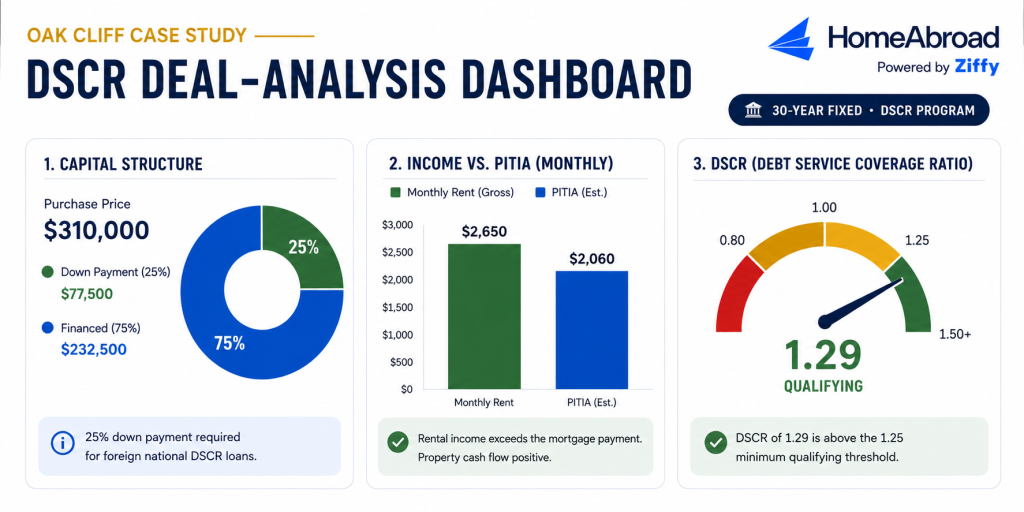
The property’s projected monthly rent of $2,650 and estimated PITIA of $2,060 produced a DSCR of 1.29, meaning the rental income comfortably supported the proposed mortgage payment. Because the property met HomeAbroad’s underwriting requirements, the borrower qualified through the DSCR Loan Program without relying on US employment income or a US credit history.
The Investor’s Objective
The investor wanted to purchase a long-term rental property in one of Dallas’ established residential neighborhoods while preserving capital for future investments. As a foreign national, the investor did not have a US credit history or US employment income and needed financing designed for international buyers.
How HomeAbroad Structured the Financing
HomeAbroad structured the purchase using its DSCR Loan Program, allowing the property’s rental income to support qualification rather than relying on the borrower’s personal income or US credit profile.
The property’s projected monthly rental income comfortably supported the mortgage payment under HomeAbroad’s underwriting guidelines, allowing the investor to secure long-term financing with a 25% down payment and a 30-year fixed-rate mortgage.
Why This Transaction Worked
Several factors contributed to a successful closing:
- The property’s projected rental income supported qualification under the DSCR program.
- Financing was structured around the investment property’s cash flow rather than the borrower’s overseas income.
- Documentation requirements were identified before underwriting, helping the transaction move efficiently.
- The purchase was completed remotely through HomeAbroad’s foreign national mortgage program.
This transaction illustrates how foreign nationals can finance rental property in Dallas without a US Social Security Number, US credit history, or US employment income when the property meets foreign national mortgage requirements.
Tax and Legal Essentials for Overseas Buyers
Buying rental property in Dallas involves several US tax and reporting requirements that foreign investors should understand before making an offer. While the rules can seem complex, planning your ownership structure early can help avoid unnecessary delays and compliance issues.
Rental Income and Section 871(d)
By default, rental income earned by foreign owners is generally treated as Fixed, Determinable, Annual, or Periodical (FDAP) income and may be subject to 30% US withholding on the gross rental income.
Many foreign investors instead make the Section 871(d) election, which allows rental income to be treated as Effectively Connected Income (ECI). Under this election, eligible expenses such as mortgage interest, property taxes, insurance, repairs, property management fees, and depreciation can generally be deducted before calculating taxable income.
FIRPTA When You Sell
If you later sell your Dallas investment property, the Foreign Investment in Real Property Tax Act (FIRPTA) may require withholding from the gross sale price. FIRPTA withholding is not automatically 15%. Depending on the property’s sale price and how the buyer intends to use it, the applicable withholding rate may be 0%, 10%, or 15%.
For a detailed explanation of FIRPTA, withholding certificates, and reporting requirements, see our FIRPTA guide.
Buying Through an LLC
Many foreign investors purchase US investment property through a single-member LLC for liability protection and portfolio management. If the LLC is foreign owned, it generally creates an IRS reporting requirement that includes Form 5472 and a pro forma Form 1120, even if no US tax is ultimately due.
Understanding these requirements before purchasing a property can help streamline the buying process and reduce unexpected compliance issues after closing.
Start Your Dallas Investment Journey
Investing in Dallas involves more than choosing the right property. Foreign nationals also need financing designed for international borrowers, a clear understanding of ownership structures, and guidance through underwriting and closing.
HomeAbroad helps foreign nationals buy and finance US investment property through mortgage programs built specifically for cross-border borrowers. We offer financing solutions for single-family homes, qualifying multifamily properties, and DSCR loans, along with support for remote closings, LLC purchases, and international documentation requirements.
HomeAbroad also provides an AI-native investment property search platform that helps international real estate investors evaluate properties using projected rental income, cash flow, market data, and other key investment metrics, making it easier to compare opportunities before making an offer.
If you’re ready to invest in Dallas, you can start by exploring available investment properties or getting pre-qualified to understand your financing options before beginning your property search.
Frequently Asked Questions
Is Dallas a good place to invest in real estate in 2026?
Dallas remains one of the strongest real estate markets in the United States, supported by population growth, a diverse economy, and continued business expansion. While market conditions vary by neighborhood, many investors continue to target Dallas for its long-term rental demand and appreciation potential.
Can a non-US resident buy property in Dallas?
Yes. Foreign nationals can legally purchase residential investment property in Dallas without being US citizens or permanent residents. HomeAbroad also offers foreign national mortgage programs that allow eligible borrowers to finance qualifying investment properties without a US credit history.
What returns can I expect from a Dallas investment property?
Returns vary depending on the property’s location, purchase price, financing, rental income, and operating expenses. Rather than focusing on a target return, evaluate each property based on its projected cash flow, rental demand, and long-term investment objectives before making a purchase.
Are Dallas Airbnbs legal?
Short-term rental regulations in Dallas continue to evolve. Although the city’s 2023 short-term rental ordinances are currently blocked by court injunctions, the legal process is ongoing. Before purchasing a property for Airbnb or other vacation rentals, verify the latest city regulations, zoning requirements, and HOA restrictions.
How much down payment do foreign nationals need to buy investment property in Dallas?
Most foreign national mortgage programs require a minimum down payment of around 25%, although the exact amount depends on the loan program, property type, and borrower profile. Additional post-closing cash reserves may also be required.
Can I buy a Dallas investment property through an LLC?
Yes. Many foreign investors purchase US rental property through an LLC for liability protection and portfolio management. However, a foreign-owned single-member LLC generally creates additional IRS reporting requirements, including Form 5472 and a pro forma Form 1120, so it’s advisable to consult a qualified CPA or attorney before choosing an ownership structure.